
The “Enhanced Games” are happening in a few months to the sporting world’s dismay. Instead of banning performance-enhancing drugs, athletes embrace them and shatter world records.
The creators of the games justify this as innovation that pushes the limits of humanity forward. I find it disconcerting. Regardless of how I feel, it reveals a fundamental human desire to stretch limits.
First space, then the moon, now Mars. Wooden golf clubs from a hundred years ago hardly resemble the titanium heads and fiberglass shafts of today. The Seattle Seahawks, who just won the Super Bowl, live by the mantra of “chasing edges” to always find ways to set themselves apart.
The desire to differentiate ourselves by being faster/smarter/stronger is innate. Resources are scarce, and we must compete to attain them. Threats are everywhere, and subconsciously, we act to protect our young—we swing metal clubs, take steroids to bulk up, or build rocket ships to escape our warming planet. We may not be rational, but we are certainly predictable.
One reason capitalism is so powerful is that it goes “with the grain” of this instinct. Socialists bristle at the idea that we should live in competition with our neighbors. It makes me squirm too! But it’s hard to argue that humans aren’t innately competitive when I see my children compete for my attention through ever-increasing levels of charm and hilarity.
Doped-up workplace
For me, AI is the ultimate performance enhancing drug. It gives me superpowers. So many things that were previously impossible are now possible. It feels like they lowered basketball goals from 10 feet to 8.5 feet and 6’1” white guys in every gym in America are screaming: "I CAN DUNK."
Someone suggested on LinkedIn that AI will allow nonprofit leaders to be so efficient that they won’t need to work nights or weekends anymore.
As someone who spends 20 hours or more a week using Claude code, I assure you I’m not working less. There is no way that AI will lead to less work. It will lead to more. Because humans always want more.
Home Run Race
The 1998 Home Run Race between Sammy Sosa and Mark McGwire captivated the nation and reinvigorated baseball. These legends battled to see who would be the first to beat Roger Maris’s home run record that was untouched for thirty years. They both succeeded, McGwire finished with 70 home runs and Sosa with 66. But these records come with an asterisk of happening during the “steroid era” of baseball.
Do you think that McGwire and Sosa practiced less after they started taking performance-enhancing drugs? Were they able to coast to the record because of their advantage? Of course not. They did all the same things they were already doing AND took PEDs. Steroids did not change their desire to be the best.
We don’t “chase edges” so that we have more time for leisure, we chase edges because we want to be great.
I hesitate to make predictions, but I feel pretty good about this one:
AI will not make you work less.
We don’t have exactly 40 hours of work to do every week, we have infinite work we could do. And yet, we limit our work to 40 hours (or 50 or 60) and kick the can to next week for everything else. We work exactly as much as we want to. Those that take their work home with them during nights and weekends do not suffer from “too much work to do” but an unwillingness to set their work down. AI won’t change that.
If you take your work home with you now, then you’ll take “ai-powered” work home with you in the near future.
AI will not save us time; we will still have exactly 24 hours in the day to spend however we choose. We will work, eat, sleep, look at screens or care for children.
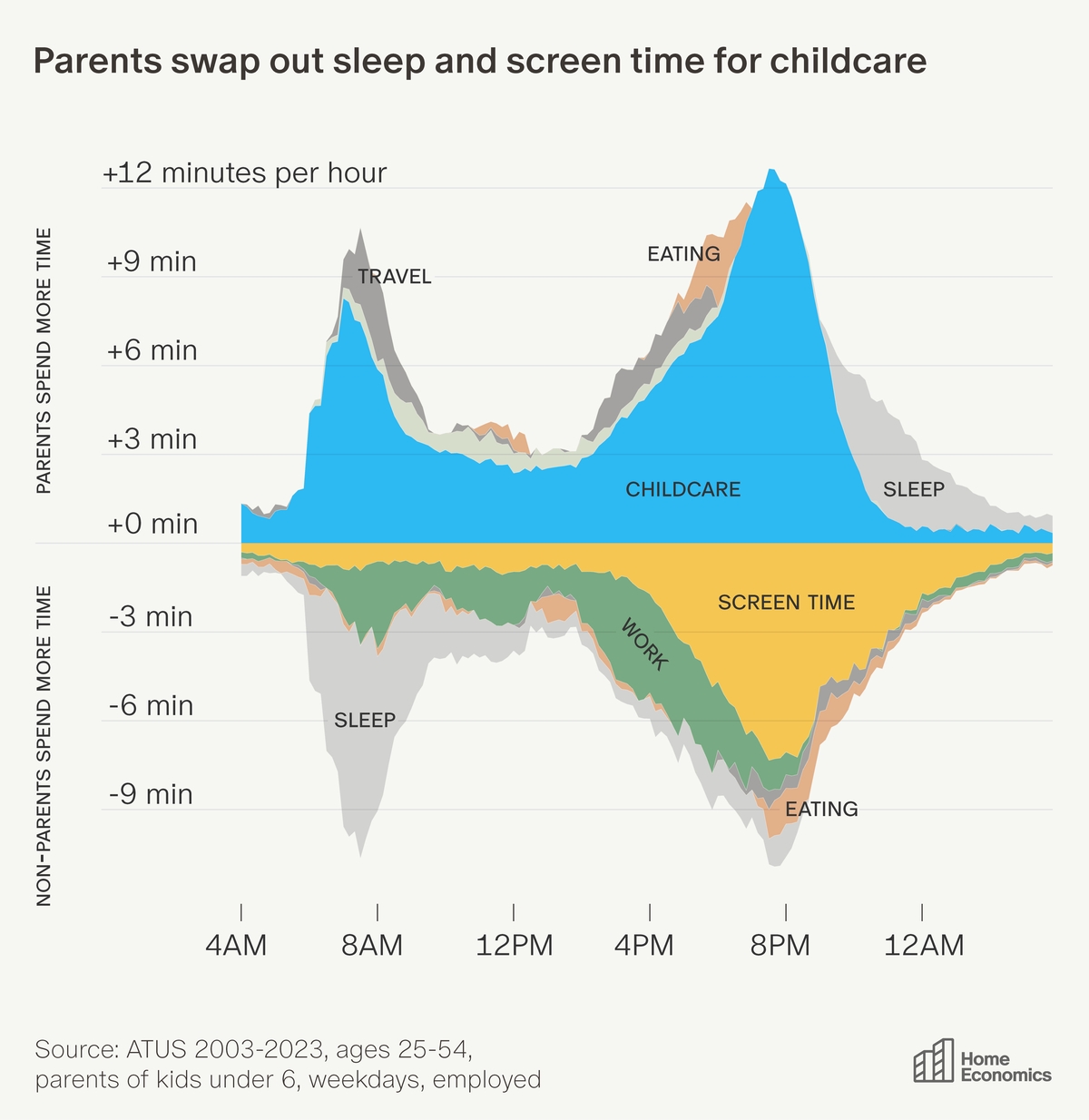
Lots of people are saying we should be teaching our kids AI.
I use AI every day and here’s what I’m trying to teach them:
My love is not scarce. Nor is it finite.
It is an infinitely renewable resource and it is perfectly and individually their own. They are safe. No one can take it from them. They are enough.
If I’m successful, when they grow up, they won’t swing clubs or take steroids or build rockets to escape to far away planets.
They’ll stay. And they'll do meaningful work and then go home to their families.
Because early in life, they discovered they have everything they need.
Until next week,
Ted